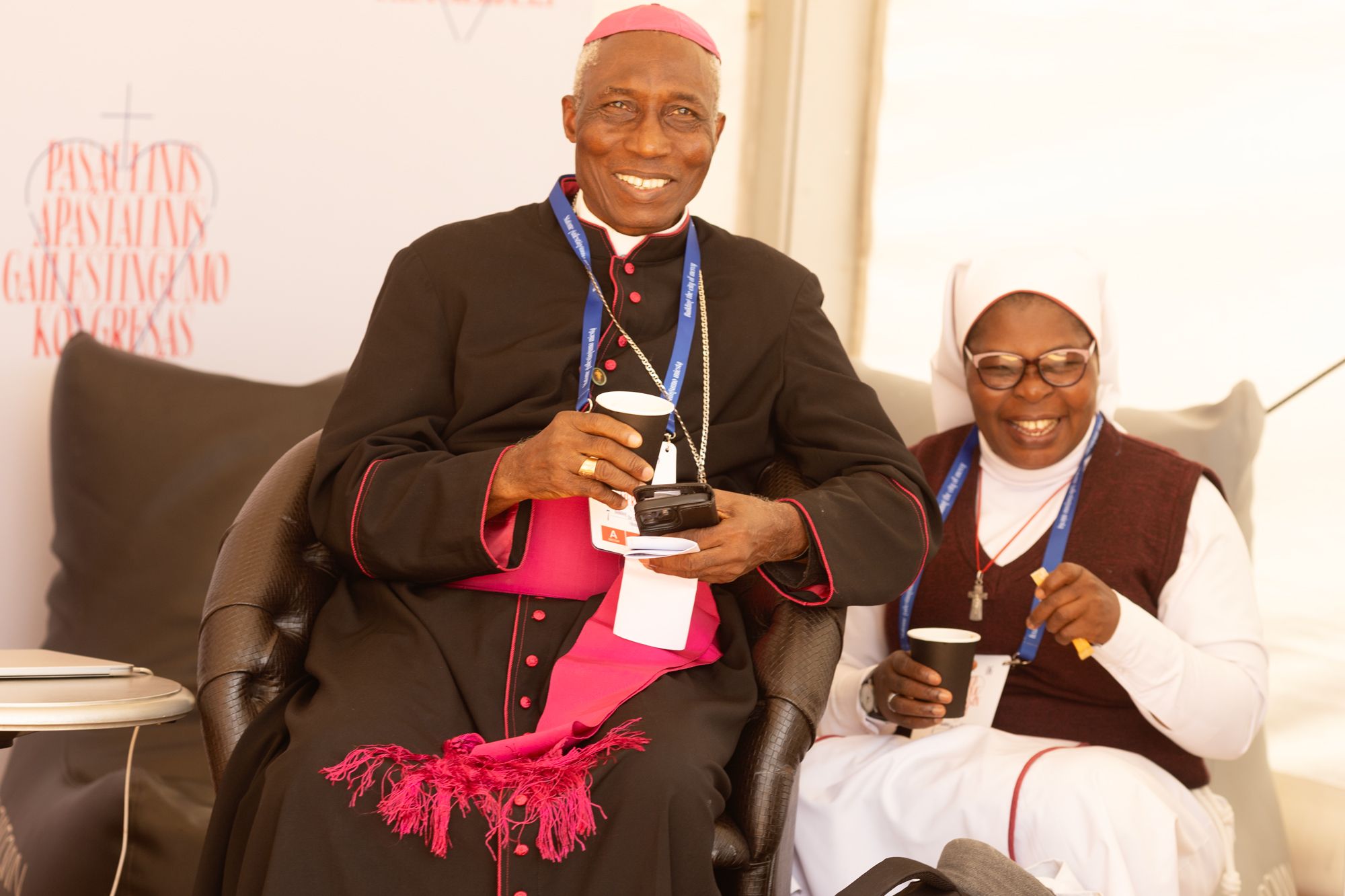
The second day of the 6th World Apostolic Congress on Mercy (WACOM VI), dedicated to the theme “The Word,” brought together speakers from across the globe who shared powerful testimonies of faith, conversion, evangelization, and hope.
Although their experiences ranged from personal stories of loss and reconciliation to missionary work in Africa and the Middle East, all five speakers echoed the same message: Divine Mercy is alive, active, and transforming lives today.
Before the morning session began, former Commander of the Vatican Gendarmerie, Domenico Giani, greeted participants and emphasized that mercy is a universal language best proclaimed not through words alone, but through concrete acts of service, compassion, and love.
Nicky Gumbel: The World Needs to Hear About Jesus
The first keynote speaker, Alpha Course pioneer Nicky Gumbel, reflected on Jesus’ vision for humanity through the lens of Matthew’s Gospel. He reminded participants that Christ saw people as “harassed and helpless, like sheep without a shepherd” (cf. Matt. 9:36) a description that remains relevant in a world marked by anxiety, loneliness, and a search for meaning.
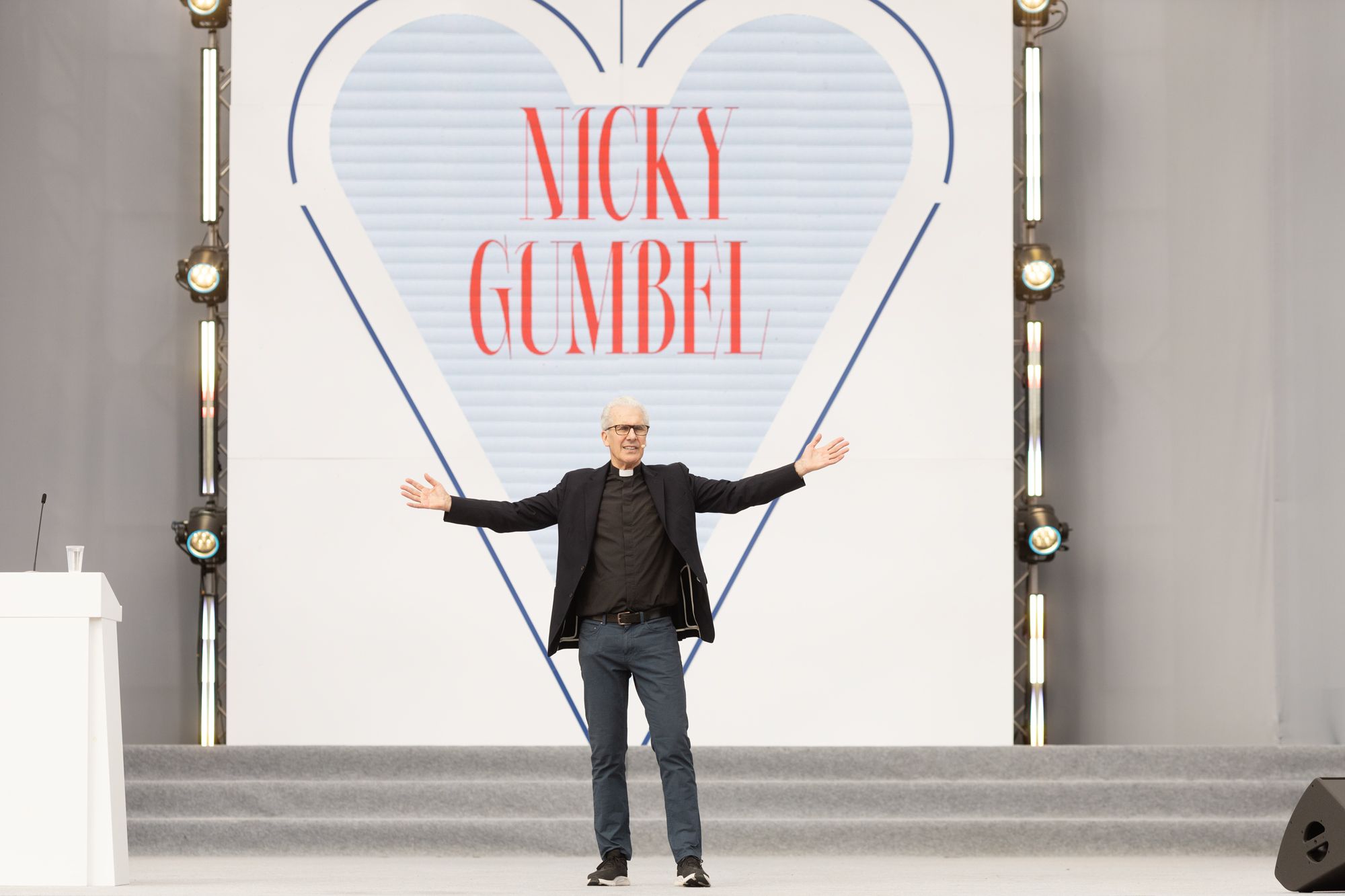
According to Gumbel, the heart of the Gospel is God’s love and mercy for every person. He challenged Christians not to keep the Good News to themselves, stating: “I believe, the greatest injustice in the world would be to go through the whole of your life and never to have heard about Jesus.”
His message was a call for renewed evangelization and for helping people discover a living relationship with Christ.
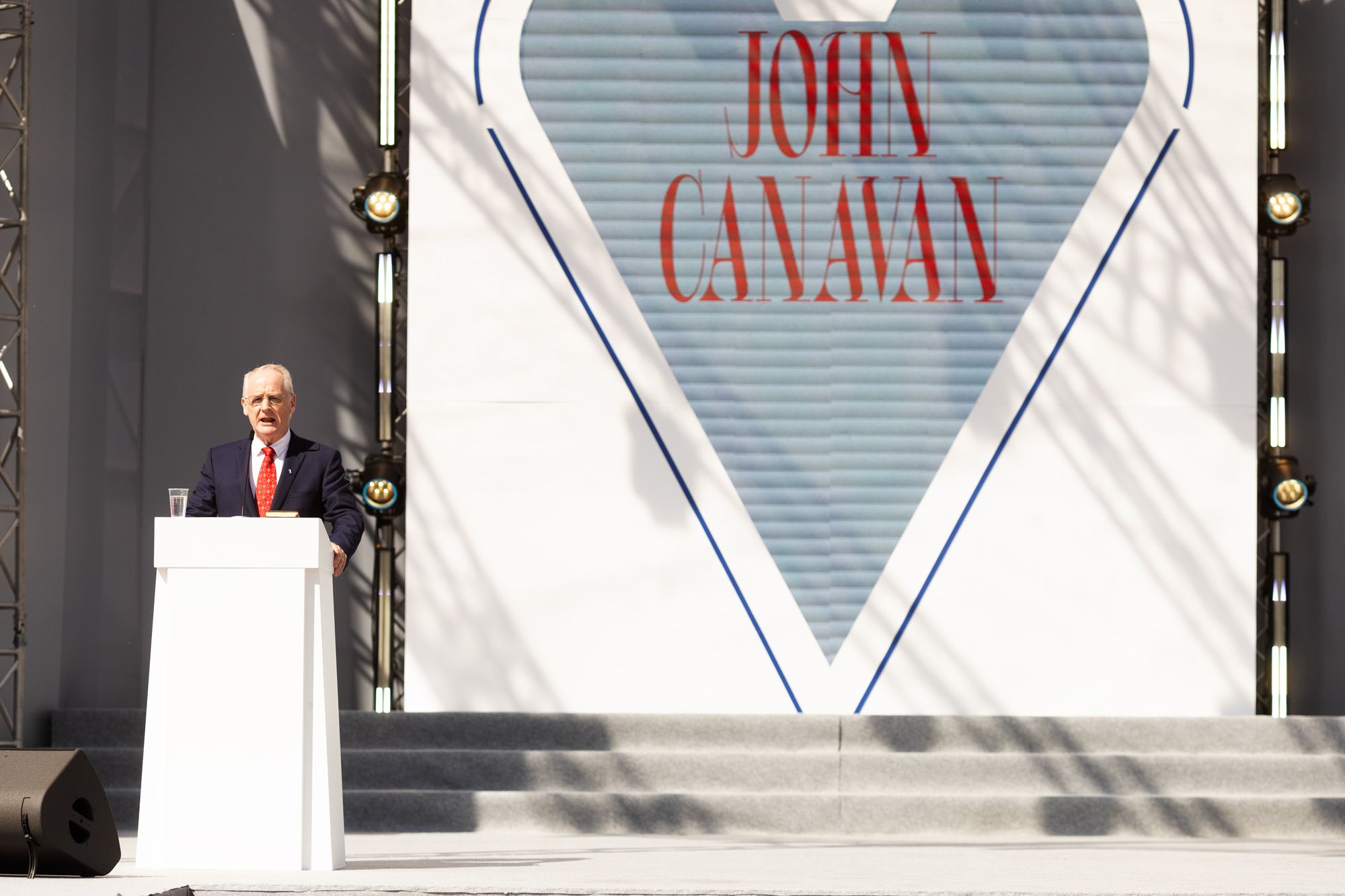
John Canavan: From Bitterness to Mercy
Australian Divine Mercy apostle John Canavan shared a deeply personal testimony about faith, suffering, and God’s healing power.
At the age of 22, Canavan witnessed the sudden death of his sister Kathleen during a trip to Europe. The tragedy shattered his faith and led him away from God for many years. Looking back on that period, he described himself as “financially comfortable, but spiritually bankrupt.”
His return to the Church began through prayer and eventually through the Sacrament of Reconciliation. Recalling that life-changing confession, he said: “On that day, my soul went from darkness to light in the sacrament of Confession.”
Canavan also spoke of the profound suffering experienced by his family following the death of their daughter, Kathleen Canavan, who was killed in a plane crash in Australia in 2019 at the age of 23. Reflecting on that tragedy, he admitted: “At that moment, nothing makes sense.” Yet he emphasized that trust in God’s mercy became the foundation that carried his family through grief.
Today, after more than three decades of promoting the Divine Mercy message throughout Australia and Oceania, Canavan continues to encourage others to place their trust in Christ. As he reminded the audience, quoting St. John Paul II: “Whoever sincerely says ‘Jesus, I trust in You’ will find comfort and peace.”
Mercy in Africa and the Middle East
The third speaker, Bishop Martin Igwe Uzoukwu of Nigeria, Coordinator of WACOM for Africa and Madagascar, entered the stage accompanied by Divine Mercy apostles from across Africa. He opened his presentation with a joyful, charismatic prayer before sharing the remarkable growth of the Divine Mercy devotion throughout the African continent.
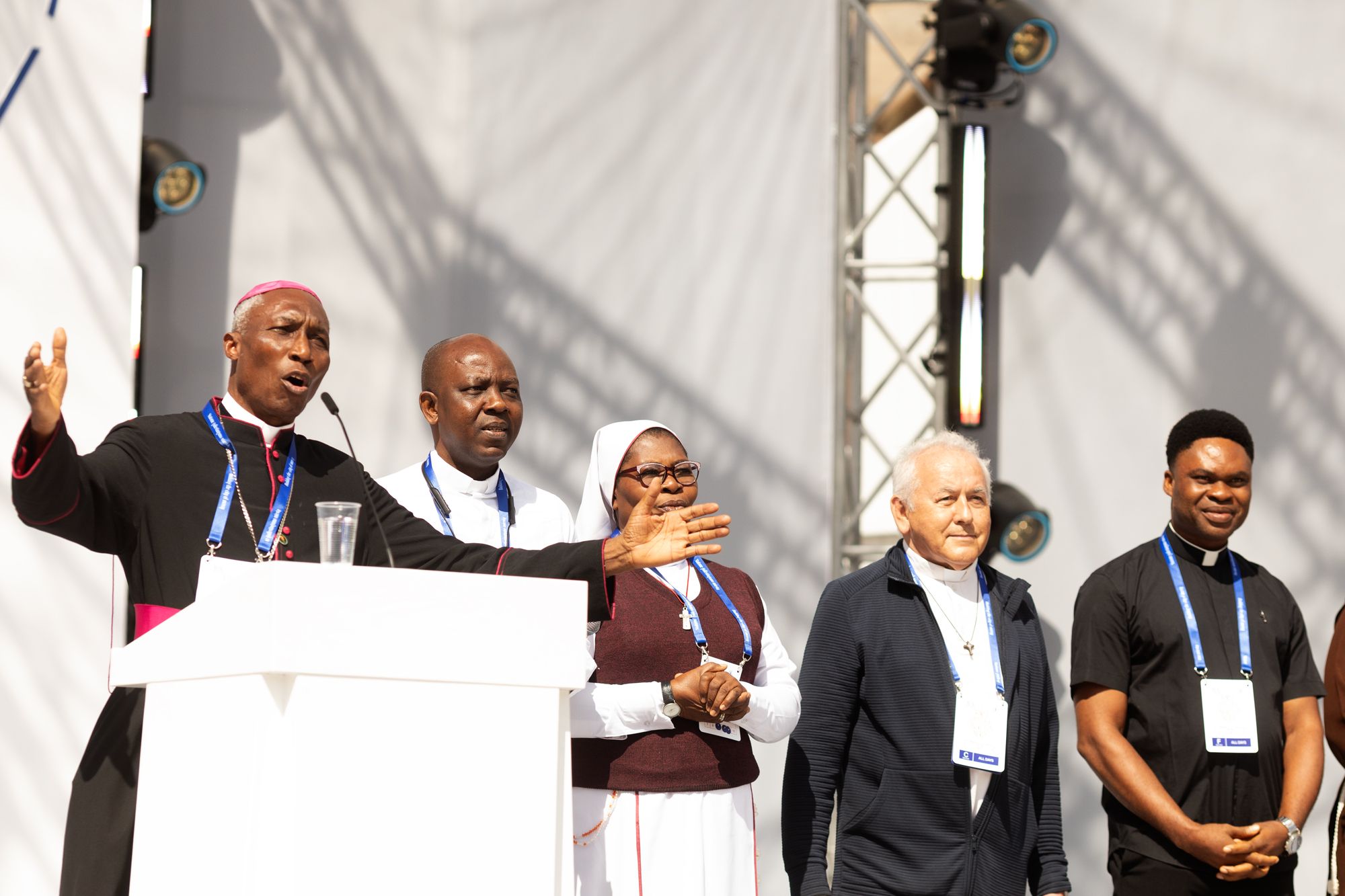
Tracing its development from small prayer groups in the 1980s to a widespread movement present in every African nation today, the bishop highlighted its impact on evangelization, Eucharistic devotion, reconciliation, and works of mercy.
“The Divine Mercy Devotion has truly taken root in the African Continent,” he said. Despite ongoing challenges, violence, and social instability in many regions, he stressed that the message of mercy remains a source of hope and resilience: “We may be experiencing sufferings and challenges in the meantime, but the Message of God’s Mercy and our Devotion are a strong pillar of hope, faith, strength and sustenance for our people and communities.”
The fourth speaker, Lebanese Divine Mercy apostle Roseline (Rosy) Chaanine, spoke about the spread of the Divine Mercy message throughout Lebanon and the Middle East. She described efforts to translate and distribute St. Faustina’s Diary in Arabic, establish prayer groups, and organize regional mercy congresses.
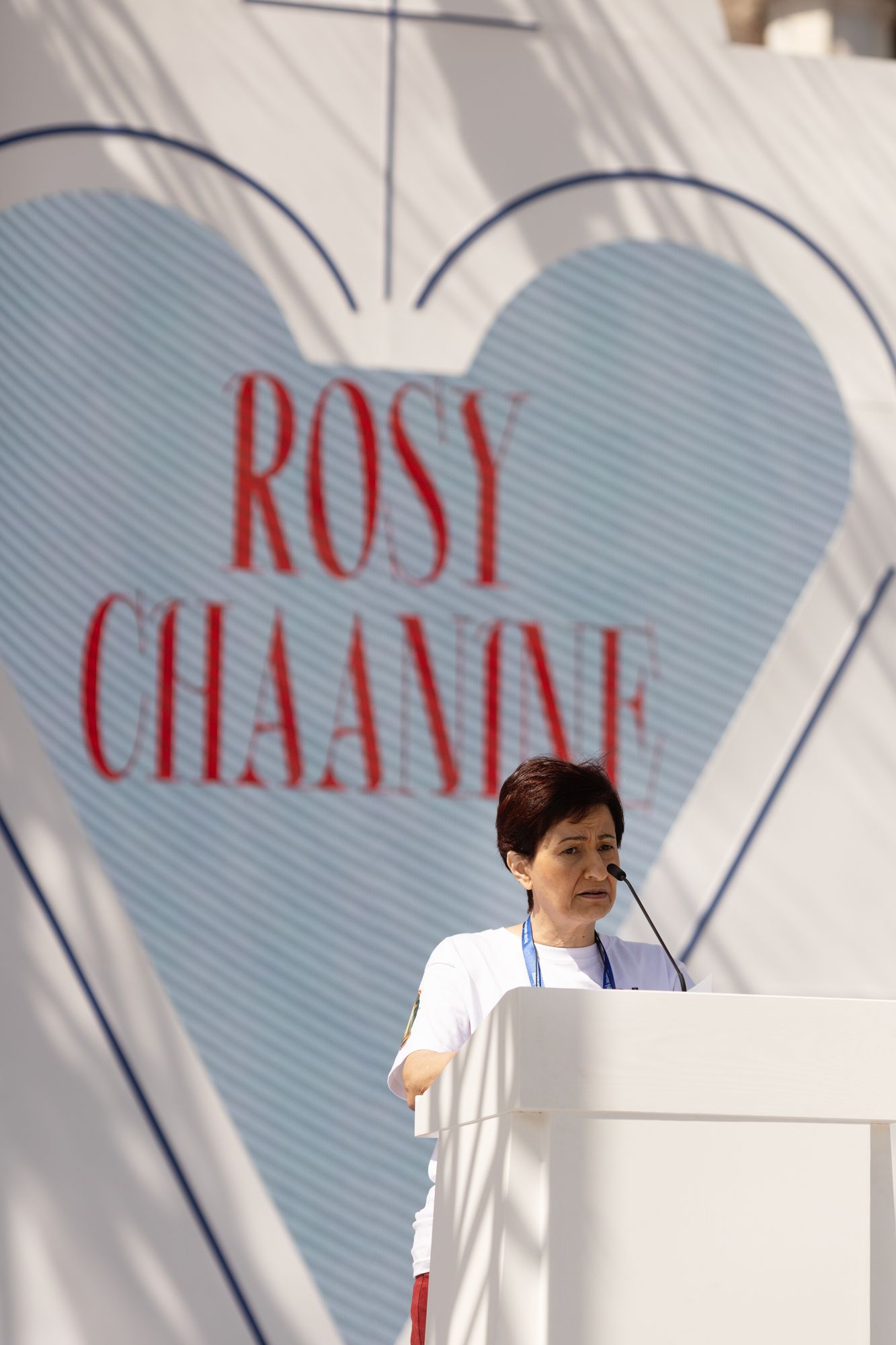
Speaking from a region marked by war, economic instability, and persecution, Chaanine emphasized that trust is at the very heart of the Divine Mercy message.
“This is the core of the Divine Mercy devotion: Trust. We must trust in God’s mercy, even when everything seems dark,” she said.
She concluded her presentation by inviting participants to pray the Divine Mercy Chaplet in Arabic for Lebanon, the Middle East, and the entire world.
Matt Fradd: Mercy Begins with Truth
The final speaker of the morning session, Catholic author, speaker, and podcast host Matt Fradd, addressed the relationship between Divine Mercy and conversion.
Using the image of a firefighter rescuing people from a burning house, Fradd argued that people cannot fully appreciate God’s mercy unless they first recognize their need for salvation. “The good news, without the bad news, is often received as no news,” he said.
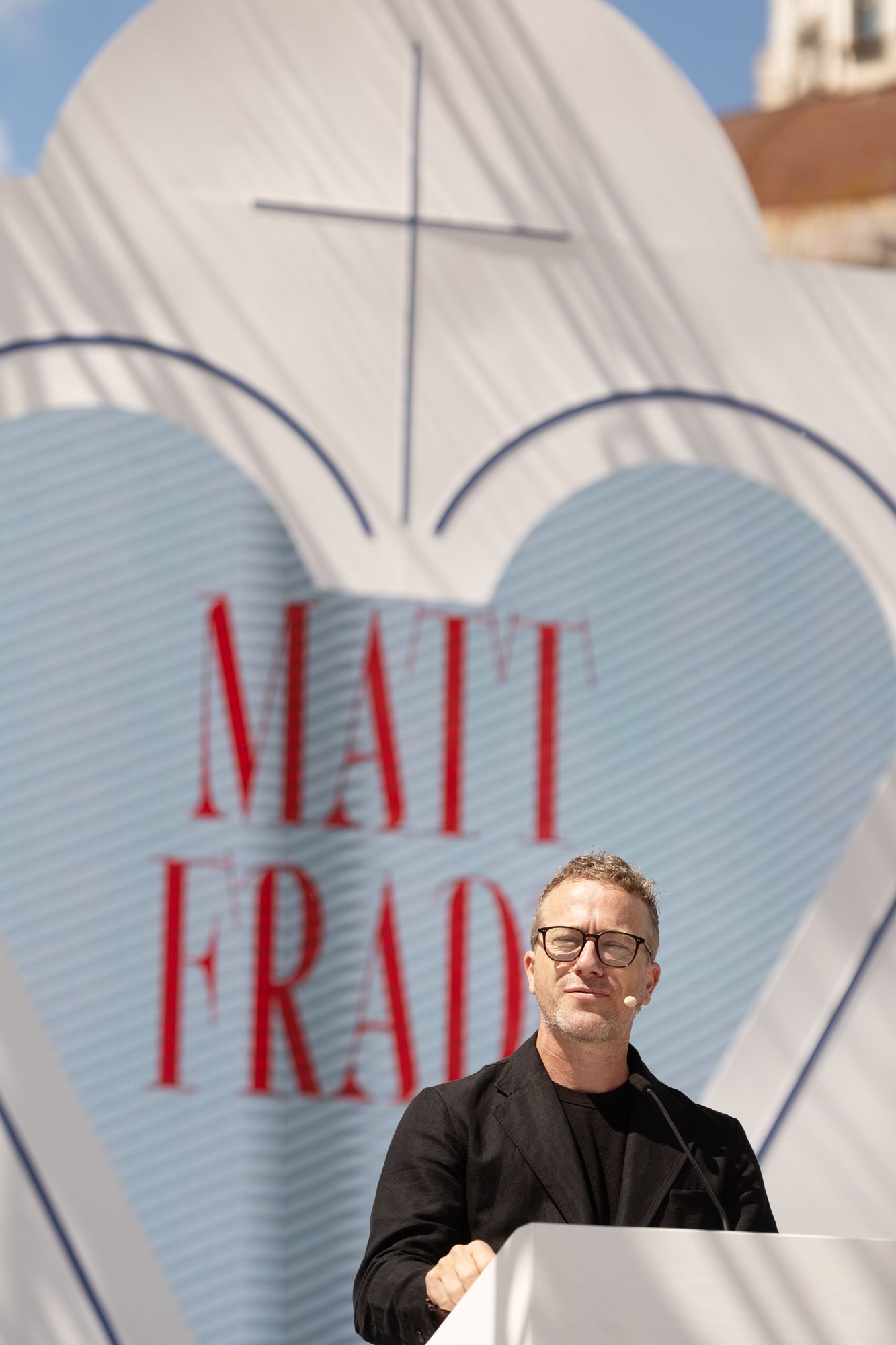
Fradd challenged modern culture’s tendency to avoid uncomfortable truths about sin and spiritual warfare. He encouraged Christians to be honest about their weaknesses, reject euphemisms, and make regular use of the Sacrament of Confession.
One of the most memorable moments of his talk came when he said: “God knows our sin and calls us by our name. But the Devil knows our name, and calls us by our sin.”
According to Fradd, true freedom begins when people face the truth about themselves and place their trust in the merciful Heart of Jesus Christ.
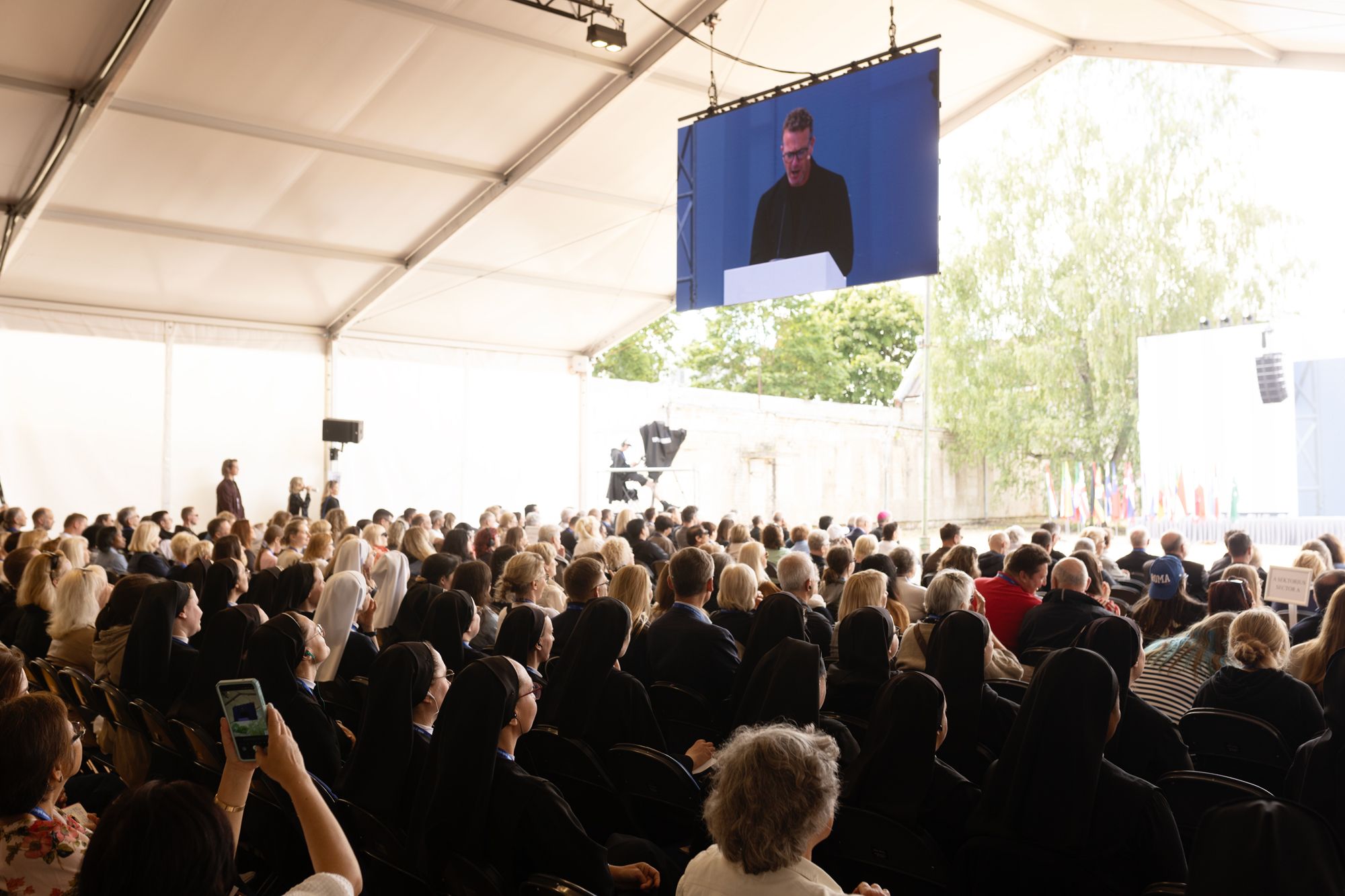
A Message for the World
Though the speakers came from different continents, cultures, and life experiences, their testimonies converged on a single truth: Divine Mercy is not merely a devotion or theological concept. It is a living expression of God’s love that heals wounded hearts, renews communities, and inspires the Church’s mission throughout the world.
Not surprisingly, the refrain that united the entire morning session was the prayer entrusted to St. Faustina and now known around the globe: